Roses: Larger and Brighter
When the chemistry is right, the flowers speak
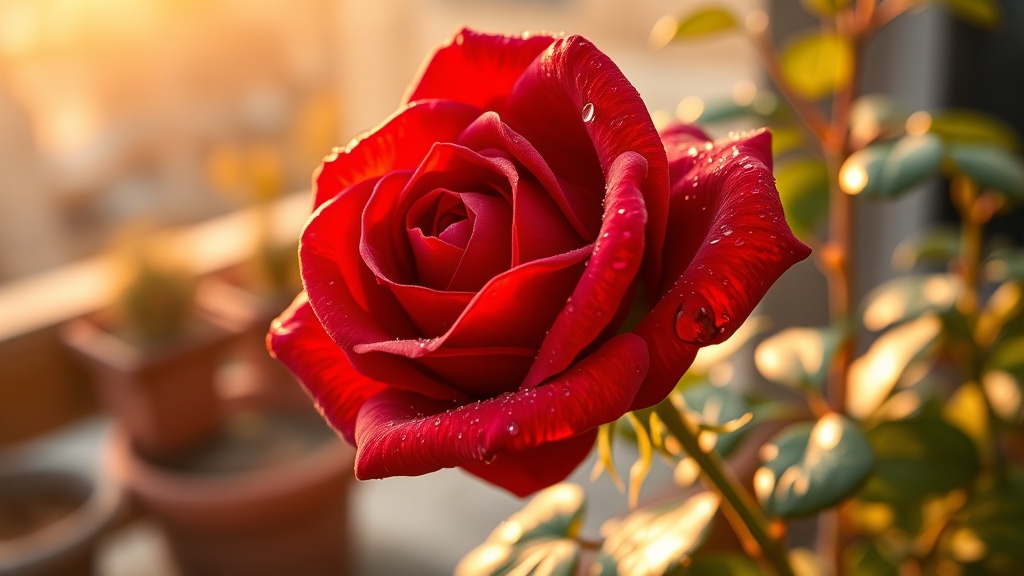
The Rose
One rose plant in the garden. Singular, not plural. It occupies a large pot on the upper terrace, gets good morning light, and has been growing steadily for over a year. Roses have a reputation for being demanding, but this one has been cooperative. It flowers, it rests, it flowers again. The rhythm of a rose.
But after the garden-wide intervention — correcting pH, adjusting fertilizer groups, adding micronutrients — the flowers changed. Larger. Richer in color. More of them per flush.
The Treatment
Claude placed the rose in Group A: Palms and Flowering Shrubs — which might seem odd, but the feeding profile fits:
- NPK (150–200g) — balanced macronutrients
- Epsom salt (2 tbsp) — magnesium for chlorophyll and color
- Ferrous sulfate (1 tbsp) — pH correction + iron
- Frequency: every 3–4 weeks
The Epsom salt is worth noting. Magnesium is directly involved in chlorophyll production, which affects leaf color and overall plant vigor. For roses, richer green foliage supports stronger, more vibrant blooms. It’s a small addition with a visible effect.
The pH Connection
At pH 8, several micronutrients critical for roses were locked out — iron, zinc, manganese. Roses prefer slightly acidic soil (pH 6.0–7.0), and at pH 8, they were quietly underperforming.
Ferrous sulfate did double duty: correcting the pH and providing iron directly. The result was greener leaves, stronger stems, and flowers that showed what the plant was capable of when the chemistry wasn’t working against it.
The Bloom and the Pause
The January 17th update was encouraging:
“Plumeria and Rose are showing a lot more flowers.”
Larger blooms, brighter color. The kind of flowers that make you stop and look.
Then, by January 31st:
“The rose has decided to take a pause, the plant is growing but far fewer flowers than before. I may have put some potash accidentally.”
Claude’s response was calming: this is normal. Roses bloom in cycles — heavy flush, then rest, then repeat. The accidental potash likely wasn’t the cause; potash promotes flowering rather than suppressing it. More probably, the plant was redirecting energy to vegetative growth between flushes.
The prescription: don’t panic, flush the pot with plain water to clear any salt buildup, resume normal feeding next cycle, deadhead spent blooms to encourage new buds. Wait 2–3 weeks.
What Roses Teach About Gardening With AI
Roses are the classic case where impatience leads to overtreatment. A plant stops flowering and the instinct is: feed it more, water it more, do something. The AI advice was the opposite: do less, wait, observe.
This is where AI gardening differs from AI in other domains. In software, when something breaks, you fix it immediately. In a garden, sometimes the right action is no action. The plant has its own schedule. The gardener’s job — and the AI’s role — is to understand the rhythm rather than interrupt it.
What I Learned
About roses: They perform in cycles, and the pause between flushes is not failure — it’s preparation. A rose that rests is a rose that’s building energy for the next round. Understanding this rhythm prevents the most common mistake: over-intervention during a natural rest period.
About the Epsom salt effect: Such a small addition — two tablespoons — with such a visible result. Magnesium deficiency is common in container gardens because it leaches easily with frequent watering. The rose’s improved color wasn’t from more fertilizer; it was from the one micronutrient that was missing.
About AI as a calming voice: When I worried about the rose pausing, Claude’s response was essentially “this is normal, be patient.” That reassurance — backed by explanation of rose biology — prevented me from doing something counterproductive. Sometimes the best advice is permission to wait.
Current Status
| Aspect | Status |
|---|---|
| Plants | 1 |
| Flowering | Between flushes — resting after strong bloom |
| Treatment | NPK + Epsom salt + Ferrous sulfate every 3–4 weeks |
| pH | Correcting toward 6.0–7.0 |
| Recent action | Flushing pot with plain water, waiting |
| Biggest lesson | Patience is a treatment |
Part of the AI in the Garden series — documenting what happens when artificial intelligence meets living things.