Rangoon Creeper: The Zinc Mystery
When one diagnosis becomes two, then three — and all of them are right
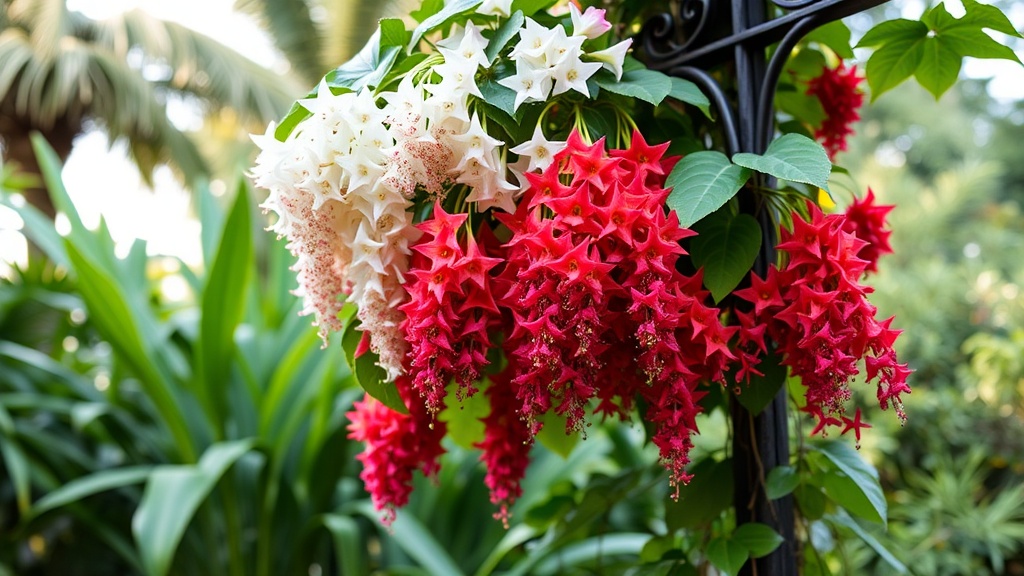
Two Sets, One Species, Different Stories
I have eight Rangoon creepers — Combretum indicum — the vine whose flowers change color as they age, opening white, turning pink, then deepening to red. All on the same structure, same general area.
Six of them were doing fine. Growing, flowering, behaving as Rangoon creepers should.
Two of them were not. New leaves emerged but stayed small — pale green, undersized, refusing to grow to normal dimensions. Old leaves were larger than new ones. Fertilizer wasn’t helping. Something was wrong, and I couldn’t see what.
This is the case that taught me how AI diagnosis works when the problem has layers.
Layer One: Zinc Deficiency
When I described the symptoms to Claude — small new leaves, pale color, larger old leaves, not responding to NPK or DAP — the first diagnosis was specific: zinc deficiency.
The pattern has a name in botany: “little leaf syndrome.” Zinc is essential for leaf cell expansion. Without it, leaves form but can’t grow to full size. It’s a micronutrient — not present in standard NPK or DAP fertilizer, and often missing in container gardens that have been fed the same macronutrients for years.
The treatment: zinc sulfate, both as a foliar spray (fast uptake through leaves) and a soil drench (sustained availability).
But then more information changed the picture.
Layer Two: Scale Bugs Next Door
The affected Rangoon creepers sit next to the passion fruit vine. When the passion fruit was found to be infested with scale bugs, Claude raised a concern: could the scale have spread?
Scale bugs have a life cycle that includes a “crawler” stage — tiny, nearly invisible, less than a millimeter — that moves to new plants. Once they settle, they build their armored shell and become the familiar brown bumps. But in the crawler stage, you can’t see them.
The revised thinking:
“The small leaf syndrome could actually be early scale infestation rather than zinc deficiency — or both. Scale bugs suck sap, which stunts new growth and causes pale, undersized leaves.”
The symptoms of early scale and zinc deficiency are nearly identical. Claude recommended treating for both: zinc sulfate for the deficiency, neem oil for the potential scale.
Layer Three: The pH Revelation
Then came the pH meter.
When I tested the affected Rangoon creepers’ soil: pH 8. At that alkalinity, zinc — even if present in the soil — becomes locked out. The plants couldn’t absorb it regardless of how much was in the ground.
This reframed the entire diagnosis:
| Layer | Problem | Treatment |
|---|---|---|
| 1 | Zinc deficiency | Zinc sulfate (foliar + soil) |
| 2 | Possible scale crawlers | Neem oil spray |
| 3 | Alkaline soil locking out zinc | Ferrous sulfate to lower pH |
All three treatments were needed. Zinc sulfate to supply what was missing. Ferrous sulfate to unlock what was trapped. Neem oil to protect against what might be lurking.
The Treatment Protocol
The weekend treatment, done with my daughters helping:
| Step | Product | Method |
|---|---|---|
| 1 | Water first | Hydrate roots |
| 2 | NPK + DAP | Scatter at base |
| 3 | Ferrous sulfate (1 tbsp) | Mix into soil surface |
| 4 | Water again | Dissolve fertilizers |
| 5 | Zinc sulfate foliar spray (1/2 tsp per litre) | Spray all leaves — tops and undersides |
| 6 | Zinc sulfate soil drench (1 tsp) | Dissolve in water, pour at base |
| 7 | Neem oil spray | Spray all surfaces — wait 1 hour after zinc spray |
Repeat zinc foliar every 2–3 weeks. Continue ferrous sulfate monthly until pH drops to target.
The Response
Within two weeks of the first zinc application — before even a full treatment cycle was complete — the signs were there. From the January 17th update:
“The set of Rangoon creepers are showing lots of new leaf buds, still small but they are more numerous after the zinc sulfate. I think it may pull through.”
And then two weeks later, January 31st:
“The Rangoon creepers are showing lots of new leaves and they are growing to large size leaves and the tendrils are shooting up. If they keep up, I think they will survive.”
Not just more leaves — larger leaves. Normal-sized. The little leaf syndrome was breaking. The tendrils — the climbing structures that Rangoon creepers use to scale walls and trellises — were shooting upward with renewed energy.
The vision: that section of the garden fully covered with green foliage and those extraordinary flowers that shift from white through pink to deep red. It’s getting there.
What Makes This Case Special
Most gardening problems have one cause. This one had three, layered on top of each other:
- Zinc depleted from soil — years of macronutrient-only feeding
- Zinc locked out by pH — even if present, unavailable at pH 8
- Possible pest pressure — scale crawlers from the neighboring passion fruit
If I had only treated one layer, the plant might not have recovered. Zinc sulfate alone wouldn’t help if the soil pH prevented absorption. pH correction alone wouldn’t help if zinc was genuinely depleted. And ignoring the pest risk would leave a recovering plant vulnerable.
The AI caught all three layers — not in one conversation, but iteratively, as new information emerged. The zinc diagnosis came first. The scale concern came when I mentioned the passion fruit. The pH layer came when I shared the meter readings. Each piece of information refined the picture.
The Diagnostic Method
What I find remarkable about this case is how the diagnosis evolved:
| Date | New information | Revised diagnosis |
|---|---|---|
| Jan 1 | Small pale leaves, old leaves larger | Zinc deficiency |
| Jan 1 | Passion fruit next door has scale | Possible scale + zinc deficiency |
| Jan 5 | pH meter reads 8.0 | Zinc lockout + possible depletion + possible scale |
| Jan 14 | Zinc sulfate arrives | Full treatment begins |
| Jan 31 | Large new leaves, tendrils shooting | Diagnosis confirmed — treatment working |
This is iterative diagnosis — the kind of thing a good doctor does when a patient keeps coming back with new test results. The AI didn’t commit to one answer and defend it. It updated its assessment as new data arrived.
What I Learned
About micronutrients: We obsess over NPK — nitrogen, phosphorus, potassium — because that’s what the bags say. But zinc, iron, manganese, and other trace elements are just as critical. A garden can have plenty of macronutrients and still fail because one micronutrient is missing or locked out.
About layered problems: The most frustrating gardening problems aren’t caused by one thing. They’re caused by several things compounding. The AI’s value wasn’t in identifying any single cause — I might have found zinc deficiency eventually — but in holding multiple possibilities simultaneously and recommending treatment for all of them.
About the difference between six and two: Same species, same general area, different outcomes. The six healthy Rangoon creepers were the control group that proved the problem was local to those two pots. Without that comparison, I might have blamed the species or the season. The AI immediately asked: “What’s different about this set?” — the right first question.
About patience and persistence: The affected creepers took longer to respond than the ixora or bougainvillea. Zinc deficiency causes structural damage to existing leaves that won’t reverse — only new growth shows improvement. Waiting for that new growth, trusting the treatment, required patience. The AI set expectations clearly: “Existing small leaves won’t enlarge — but watch the new growth.”
Current Status
| Aspect | Status |
|---|---|
| Healthy Rangoon creepers | 6 — growing and flowering normally |
| Affected Rangoon creepers | 2 — recovering, large new leaves emerging |
| Treatment | NPK + DAP + Ferrous sulfate + Zinc sulfate foliar every 2–3 weeks + Neem oil |
| pH | Correcting from 8.0 toward 6.5 |
| Zinc foliar | Continuing every 2–3 weeks until new growth normalizes |
| Biggest lesson | One symptom can have three causes stacked on top of each other |
Part of the AI in the Garden series — documenting what happens when artificial intelligence meets living things.