Bleeding Heart Vine: One Lived, One Didn’t
The same plant, the same treatment, two different endings
Two Plants, Same Problem
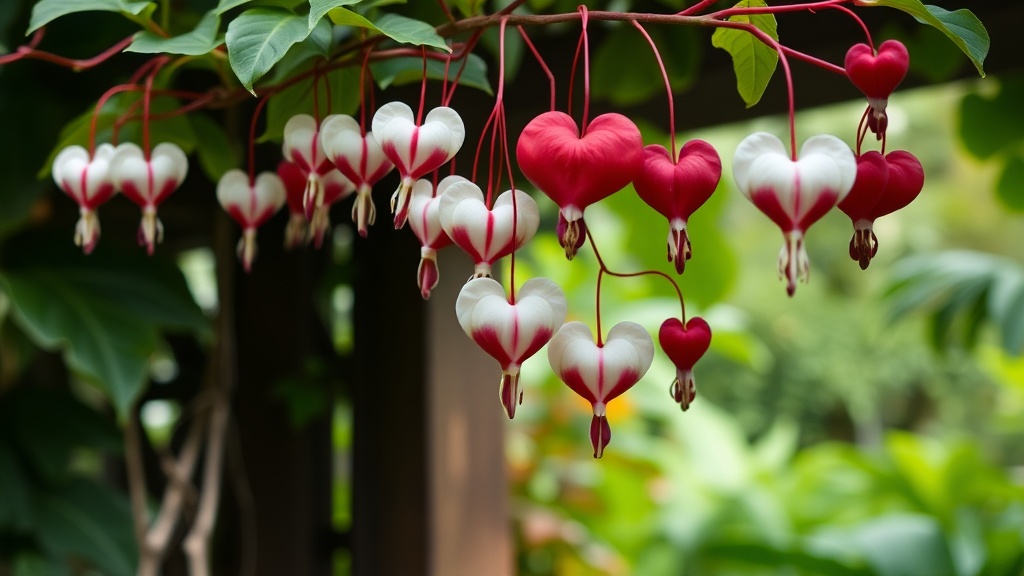
Two bleeding heart vines — Clerodendrum thomsoniae — in the garden. Both struggling. No flowers, weak growth, looking like they’d rather be somewhere else. They had been categorized early as needing special intervention — Group G, the problem plants.
When I described them to Claude, the diagnosis pointed to multiple overlapping issues:
- Not enough light — bleeding heart needs bright indirect light to flower; mine were in too much shade
- Possible root problems — the lack of response to feeding suggested the roots might be bound or damaged
- Insufficient water — these are thirstier than most of my plants, and the every-3rd-day rotation might not be enough
- pH lockout — at pH 8, nutrients weren’t fully available
The prescription was aggressive:
| Step | Action |
|---|---|
| 1 | Check roots — unpot and inspect for circling, matting, or rot |
| 2 | Move to a brighter spot — morning sun plus afternoon shade |
| 3 | Increase watering frequency — more often than the 3-day rotation |
| 4 | Feed with DAP + Potash + Ferrous sulfate + Epsom salt |
| 5 | Be patient |
The Split
I treated both plants the same way. Ferrous sulfate for pH. DAP and potash for flowering. Moved them to better light. Increased water.
One responded. One didn’t.
By January 31st:
“One of the trimmed/pruned bleeding heart decided to call it quits, the other one is doing good under the new sunlit area.”
Claude’s assessment was matter-of-fact:
“Was too far gone — the other one proves the fix worked.”
The one that survived — the proof that the diagnosis was correct. The one that died — the proof that timing matters. By the time I intervened, one plant had enough reserves to recover. The other had crossed a line that no amount of treatment could pull it back from.
Why Light Was the Key
Bleeding heart vines are particular about light in a way that many tropical plants are not. They need bright conditions to flower, but not harsh direct sun all day. The ideal is morning sun with afternoon shade — enough energy to produce those distinctive white-and-red flowers, but not so much that the leaves scorch.
In their previous position, they were getting neither. Too shaded to flower, too dim to build the energy reserves needed for recovery. Moving them to a sunlit area was the intervention that mattered most — more than fertilizer, more than pH correction, more than water.
The surviving plant proved this. Same feeding, same pH treatment, same watering. The only variable that changed meaningfully was light. And that was enough.
What the Loss Teaches
Losing a plant is never comfortable, especially when you’ve tried to save it. But the loss carries information:
Timing matters more than treatment. Both plants got the same intervention at the same time. One had enough stored energy to respond. The other was too depleted. The lesson: catch problems early. By the time a plant is visibly struggling, it may have been struggling invisibly for weeks or months.
One success out of two is diagnostic. If both plants had died, I’d question whether the treatment was wrong. If both had survived, I’d learn nothing about the margins. One living and one dying tells me the treatment was correct but arrived at different points on each plant’s decline curve.
Not everything can be saved. This is a hard lesson for anyone who cares about their garden. Some plants are past the point of recovery by the time you notice. Accepting this — rather than endlessly trying to resuscitate — frees your attention for the plants that can still be helped.
The Survivor
The surviving bleeding heart vine is doing well in its new sunlit position. It’s not dramatic — no “going bonkers” like the night jasmine or “sparkling pink and white” like the bougainvillea. It’s taking it slow, putting out growth steadily, building toward what I hope will eventually be those striking heart-shaped flowers.
Some plants recover in weeks. This one is on a timeline measured in months. And that’s fine.
What I Learned
About bleeding heart vines: They communicate their needs quietly. No dramatic leaf drop, no visible pest damage — just a slow decline that’s easy to mistake for the plant’s “personality.” By the time the decline is obvious, the window for intervention may be closing.
About controlled experiments by accident: Having two identical plants with different outcomes is the most informative result possible. It confirms the treatment while revealing the limits. Science doesn’t always require a laboratory — sometimes a rooftop garden provides the same data.
About grief in the garden: It sounds small, losing one plant among twenty-six. But each one represents time, attention, hope. The mature response isn’t to pretend it doesn’t matter — it’s to learn from the loss and channel that attention toward the survivor and the rest of the garden.
Current Status
| Aspect | Status |
|---|---|
| Plant 1 | Dead — too far gone before treatment |
| Plant 2 | Alive — growing slowly in new sunlit position |
| Treatment | DAP + Potash + Ferrous sulfate + Epsom salt every 4–6 weeks |
| Light | Relocated to morning sun + afternoon shade |
| Watering | More frequent than the standard rotation |
| pH | Correcting with ferrous sulfate |
| Biggest lesson | The same treatment at different points in decline produces different outcomes |
Part of the AI in the Garden series — documenting what happens when artificial intelligence meets living things.